

Шаравыя краны ў асноўным служаць у якасці прылад для адкрыцця/закрыцця. Іх канструкцыя абмяжоўвае іх здольнасць забяспечваць дакладнае рэгуляванне патоку. Гэта абмежаванне можа паўплываць на іх эфектыўнасць у некаторых выпадках пажаратушэння. Вось некаторыя ключавыя моманты адноснаfire protection valvesшаравых кранаў:Функцыянальнасць уключэння/выключэнняШаравыя краны выдатна спраўляюцца з хуткім перакрыццём або прапускам патоку вадкасці. Аднак яны дрэнна працуюць, калі аператарам трэба паступова рэгуляваць хуткасць патоку.Праблемы з дросельнай засланкайПры частковым адкрыцці шаравыя краны могуць ствараць турбулентнасць. Гэтая турбулентнасць можа прывесці да падзення ціску і нестабільнай хуткасці патоку. Такая паводзіны можа пагоршыць працу сістэм пажаратушэння.Рэгуляванне патокуШаравыя краны не падыходзяць для прымянення, якія патрабуюць дакладнага рэгулявання патоку. Іх канструкцыя не дазваляе паступовай рэгулявання. Гэта абмежаванне можа быць праблематычным у сітуацыях, калі важная дакладная падача вады.ЧайДля прымянення, якія патрабуюць мадуляцыі патоку, варта выкарыстоўваць засаўкі або іншыя тыпы клапанаў, прызначаныя для дроселявання.
У табліцы ніжэй прыведзены магчымасці рэгулявання патоку шаравых клапанаў у параўнанні з засаўкамі:
- Тып клапана
- Магчымасць кіравання патокам
- Ідэальны выпадак выкарыстання
- Шаравы кранАбмежавана
- Уключэнне/выключэнне абслугоўванняЗасаўка
Умераны
Дроселяванне і рэгуляванне патокуПрымяненне ў пажарных сістэмахСупрацьпажарныя клапаны адыгрываюць важную ролю ў розных сферах прымянення ў сістэмах пажарнай абароны. Іх выбар залежыць ад канкрэтных эксплуатацыйных патрабаванняў і характару стратэгіі пажарнай абароны. Ніжэй прыведзены некаторыя ключавыя сферы прымянення як засаўак, так і шаравых клапанаў у сістэмах пажарнай абароны:
| 1. Сістэмы пажаратушэння | Ball Valves | Gate Valves |
|---|---|---|
| Сістэмы водазабеспячэння, якія звычайна сустракаюцца ў камерцыйных будынках, абапіраюцца на супрацьпажарныя клапаны для забеспячэння дастатковай падачы вады для пажаратушэння. Засаўкі часта выкарыстоўваюцца для ізаляцыі участкаў сістэмы, а шаравыя клапаны забяспечваюць хуткае спрацоўванне для неадкладнага доступу да вады. | 3. Сістэмы пажарных гідрантаў | Для сістэм пажарных гідрантаў патрабуюцца надзейныя і эфектыўныя клапаны, каб забяспечыць пажарным хуткі доступ да вады. Засаўкі звычайна ўсталёўваюцца на галоўнай падачай вады для рэгулявання патоку вады да гідрантаў. Шаравыя клапаны таксама могуць выкарыстоўвацца для хуткага адключэння ў надзвычайных сітуацыях. |
| 4. Сістэмы паводкі і папярэдняга дзеяння | У сістэмах пажаратушэння з дапамогай дрэндэрнага і папярэдняга пажаратушэння супрацьпажарныя клапаны адыгрываюць жыццёва важную ролю ў рэгуляванні патоку вады да спрынклерных галовак. Засаўкі могуць ізаляваць секцыі сістэмы для тэхнічнага абслугоўвання, а шаравыя клапаны дазваляюць хутка актываваць паток вады пры неабходнасці. | 5. Прамысловае прымяненне |
| Flow Regulation | 6. Пажарная абарона жылых памяшканняў | Сістэмы пажарнай абароны ў жылых памяшканнях таксама выйграюць ад выкарыстання пажарных клапанаў. Засаўкі забяспечваюць надзейную запорную здольнасць, а шаравыя краны забяспечваюць хуткі доступ да вады для тушэння пажару. |
| Durability | Пры выбары клапанаў для сістэм пажаратушэння ўлічвайце канкрэтныя патрабаванні да прымянення і эксплуатацыі. Кожны тып клапана мае унікальныя перавагі, якія могуць палепшыць прадукцыйнасць сістэмы. | Падыходныя сцэнарыі для засаўак |
| Засаўкі асабліва эфектыўныя ў розных сітуацыях у сістэмах пажарнай абароны. Іх канструкцыя і функцыянальнасць робяць іх прыдатнымі для канкрэтных ужыванняў, дзе | надзейны кантроль патоку | вельмі важна. Ніжэй прыведзены некаторыя ідэальныя сітуацыі для выкарыстання засавак: |
Ізаляцыя асноўнага водазабеспячэння
Засаўкі служаць асноўным механізмам закрыцця асноўнай падачы вады ў сістэмах пажаратушэння. Яны дазваляюць цалкам закрыць сістэму падчас тэхнічнага абслугоўвання або надзвычайных сітуацый, гарантуючы бяспеку і працаздольнасць сістэмы.Прымяненне пад высокім ціскамУ асяроддзях, дзе высокі ціск мае значэнне, выдатна падыходзяць засаўкі. Іх трывалая канструкцыя можа вытрымліваць значны ціск без шкоды для прадукцыйнасці. Гэтая даўгавечнасць робіць іх ідэальнымі для прамысловых умоў.
Трубаправоды вялікага дыяметра
Засаўкі часта выкарыстоўваюцца ў трубаправодах вялікага дыяметра, дзе неабходна рэгуляванне патоку. Іх канструкцыя мінімізуе абмежаванне патоку, што дазваляе эфектыўна падаваць ваду ў надзвычайных сітуацыях.
Сістэмы пажарных гідрантаў
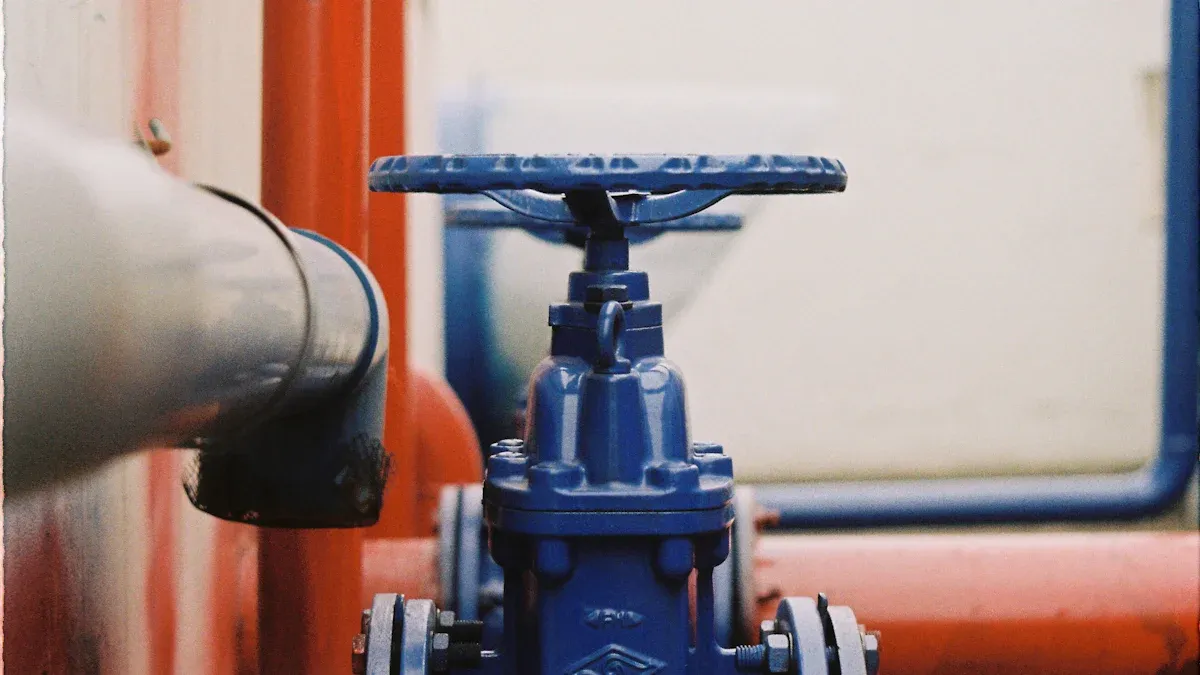
Засаўкі звычайна ўсталёўваюцца ў сістэмах пажарных гідрантаў. Яны забяспечваюць надзейную ізаляцыю падачы вады, гарантуючы пажарным хуткі доступ да вады пры неабходнасці.Ці падыходзяць засаўкі для дроселявання?У сістэмах воданапорных труб засаўкі дазваляюць ізаляваць пэўныя ўчасткі. Гэтая магчымасць мае вырашальнае значэнне для тэхнічнага абслугоўвання і гарантуе працаздольнасць іншых частак сістэмы.
- Ball ValvesПры выбары засаўак для сістэм пажаратушэння ўлічвайце канкрэтнае прымяненне і эксплуатацыйныя патрабаванні. Іх здольнасць забяспечваць надзейнае закрыццё і вытрымліваць высокі ціск робіць іх каштоўным кампанентам у розных сітуацыях.
- Gate ValvesШаравыя краны асабліва эфектыўныя ў розных сітуацыях у сістэмах пажарнай абароны. Іх канструкцыя і эфектыўнасць працы робяць іх прыдатнымі для пэўных ужыванняў, дзе важная хуткасць рэагавання і надзейнасць. Ніжэй прыведзены некаторыя ідэальныя сітуацыі для выкарыстання шаравых кранаў:
Аварыйнае адключэнне
Шаравыя краны выдатна падыходзяць у сітуацыях, якія патрабуюць хуткага закрыцця. Іх паварот на чвэрць абароту дазваляе імгненна зачыніць клапан, што вельмі важна падчас пажараў. Пажарныя могуць хутка атрымаць доступ да вады, што забяспечвае хуткае рэагаванне.
Сістэмы высокага ціскуЦі падыходзяць засаўкі для дроселявання?Лініі водазабеспячэння
Gate Valves
- для сістэм пажарнай абароны варта ўлічваць іх хуткае спрацоўванне і нізкі перапад ціску. Гэтыя асаблівасці павышаюць агульную прадукцыйнасць і надзейнасць сістэмы.У сістэмах пажаратушэння шаравыя клапаны спрыяюць хуткаму ўключэнню. Яны забяспечваюць неадкладную падачу вады да спрынклерных галовак, павышаючы эфектыўнасць пажаратушэння.
- Паводкавыя сістэмыШаравыя краны адыгрываюць вырашальную ролю ў сістэмах палівальнага водазабеспячэння, дзе неабходны хуткі спуск вады. Іх канструкцыя забяспечвае хуткае спрацоўванне, гарантуючы, што вада дасягне патрэбных месцаў без затрымкі.
- Хуткае рэагаванне падчас пажараўКалі
Ball Valves
- для сістэм пажарнай абароны варта ўлічваць іх хуткае спрацоўванне і нізкі перапад ціску. Гэтыя асаблівасці павышаюць агульную прадукцыйнасць і надзейнасць сістэмы.Тып прыкладання
- Асноўная перавагаАварыйнае адключэнне
- Хуткае рэагаванне падчас пажараўСістэмы высокага ціскуЗахоўвае цэласнасць пад ціскамЛініі водазабеспячэння
TipСпрынклерныя сістэмы
Імгненная актывацыя патоку вады
Паводкавыя сістэмы
- Хуткі выпуск вады для падаўленняАгульная эфектыўнасць пажарных сістэм
- Эфектыўнасцьклапаны пажарнай абароны
- істотна ўплывае на працаздольнасць сістэм пажарнай бяспекі. Як засаўкі, так і шаравыя краны адыгрываюць вырашальную ролю ў забеспячэнні надзейнага патоку вады падчас надзвычайных сітуацый. Іх унікальныя характарыстыкі спрыяюць агульнай эфектыўнасці пажаратушэння.Засаўкі выдатна падыходзяць для прымянення, якія патрабуюць поўнага перакрыцця патоку. Яны забяспечваюць надзейны сродак ізаляцыі участкаў сістэмы пажаратушэння. Гэтая магчымасць вельмі важная падчас тэхнічнага абслугоўвання або надзвычайных сітуацый. Засаўкі забяспечваюць высокую прапускную здольнасць, гарантуючы, што вада дасягне крытычна важных месцаў, калі гэта неабходна. Іх трывалая канструкцыя вытрымлівае высокі ціск, што робіць іх прыдатнымі для розных умоў ужывання.
- З іншага боку, шаравыя краны забяспечваюць хуткае спрацоўванне і нізкі перапад ціску. Іх механізм на чвэрць абароту забяспечвае хуткі доступ да вады, што вельмі важна падчас пажараў. Пажарныя могуць хутка актываваць шаравыя краны, забяспечваючы неадкладнаепаток вады
- Гэта хуткае рэагаванне можа істотна паўплываць на эфектыўнае барацьбу з пажарамі. Акрамя таго, шаравыя краны забяспечваюць герметычнасць, прадухіляючы страту вады і павышаючы надзейнасць сістэмы.Прадукцыйнасць у надзвычайных сітуацыях
У надзвычайных сітуацыях працаздольнасць пажарных клапанаў становіцца крытычна важнай. Як засаўкі, так і шаравыя клапаны адыгрываюць розныя ролі ў забеспячэнні эфектыўнасці пажаратушэння.
эксплуатацыйныя характарыстыкіможа істотна паўплываць на вынікі мерапрыемстваў па тушэнню пажару.Засаўкі
| Valve Type | Шаравыя краны | У адрозненне ад гэтага, шаравыя краны забяспечваюць хуткае спрацоўванне. Іх механізм павароту на чвэрць абароту забяспечвае неадкладны доступ да вады. Гэта хуткае ўключэнне вельмі важна падчас пажараў, калі час мае вырашальнае значэнне. Пажарныя могуць хутка ўключыць шаравыя краны, забяспечваючы паступленне вады ў неабходныя месцы без затрымак. Акрамя таго, шаравыя краны падтрымліваюць нізкія перапады ціску, што дапамагае падтрымліваць ціск вады па ўсёй сістэме. |
|---|---|---|
| Gate Valve | Надзейны для поўнага адключэння, але павольнейшы ў працы. | Надзейны для поўнага адключэння, але павольнейшы ў працы. |
| Ball Valve | Доўгатэрміновая надзейнасць супрацьпажарных клапанаў | Доўгатэрміновая надзейнасць супрацьпажарных клапанаў |
Доўгатэрміновая надзейнасць мае вырашальнае значэнне для супрацьпажарных клапанаў, бо гэтыя кампаненты адыгрываюць жыццёва важную ролю ў забеспячэнні бяспекі ў надзвычайных сітуацыях. Як засаўкі, так і шаравыя клапаны маюць унікальныя характарыстыкі, якія ўплываюць на іх надзейнасць з цягам часу.
- Засаўкі
- Трываласць
- Засаўкі часта вырабляюцца з трывалых матэрыялаў, такіх як нержавеючая сталь або латунь. Гэтыя матэрыялы паляпшаюць іх здольнасць вытрымліваць высокі ціск і тэмпературу, што спрыяе іх даўгавечнасці.
- Патрабаванні да тэхнічнага абслугоўвання
- Рэгулярнае тэхнічнае абслугоўванне вельмі важна для засавак. Аператары павінны правяраць ушчыльненні і ўнутраныя кампаненты, каб прадухіліць уцечкі. Грэбаванне тэхнічным абслугоўваннем можа прывесці да зніжэння надзейнасці і патэнцыйных паломак у крытычныя моманты.
- Шаравыя краны
- Непатрабавальныя да тэхнічнага абслугоўвання
- Шаравыя краны звычайна патрабуюць менш тэхнічнага абслугоўвання, чым засаўкі. Іх канструкцыя мінімізуе знос, што дазваляе ім эфектыўна функцыянаваць працяглы час.
- Устойлівасць да карозіі
- У многіх шаравых кранах выкарыстоўваюцца матэрыялы, устойлівыя да карозіі. Гэтая асаблівасць павышае іх надзейнасць, асабліва ў асяроддзях, дзе ўздзейнічаюць агрэсіўныя хімічныя рэчывы або экстрэмальныя ўмовы.
- Чай
Каб максімальна павялічыць доўгатэрміновую надзейнасць супрацьпажарных клапанаў, арганізацыі павінны ўкараніць графік рэгулярных праверак. Рэгулярныя праверкі могуць выявіць патэнцыйныя праблемы да іх узнікнення, гарантуючы, што клапаны застануцца працаздольнымі, калі гэта неабходна.Як засаўкі, так і шаравыя краны маюць розныя перавагі і недахопы ў сістэмах пажаратушэння.Засаўкі
выдатна забяспечваюць надзейныя магчымасці закрыцця і высокую прапускную здольнасць.
Шаравыя краны
- вылучаюцца сваёй хуткасцю працы і нізкім перападам ціску.У канчатковым рахунку, выбар паміж гэтымі клапанамі залежыць ад канкрэтных патрэб пажарнай сістэмы і эксплуатацыйных патрабаванняў.ЧайАцаніце унікальныя патрабаванні кожнага прыкладання, каб вызначыць найбольш
- падыходны тып клапанадля аптымальнай прадукцыйнасці.Часта задаваныя пытанніУ чым асноўнае адрозненне паміж засаўкамі і шаравымі кранамі?
Засаўкі забяспечваюць надзейнае кіраванне ўключэннем/выключэннем, а шаравыя краны забяспечваюць больш хуткую працу з мінімальным падзеннем ціску. Гэта робіць шаравыя краны больш прыдатнымі для надзвычайных сітуацый.Ці падыходзяць засаўкі для дроселявання?Засаўкі можна выкарыстоўваць для дроселявання, але яны не ідэальныя для гэтай мэты. Іх канструкцыя ў першую чаргу прызначана для поўнага перакрыцця патоку.
| Як часта трэба абслугоўваць пажарныя клапаны? | Рэгулярнае тэхнічнае абслугоўванне вельмі важнае як для засавак, так і для шаравых клапанаў. Тэхнікі павінны правяраць іх не радзей за адзін раз на год, каб забяспечыць належную працаздольнасць і прадухіліць уцечкі. |
|---|---|
| Ці могуць шаравыя краны працаваць з бруднымі вадкасцямі? | Шаравыя краны цяжка пераносяць вадкасці, якія змяшчаюць цвёрдыя часціцы або смецце. Забруджванні могуць перашкаджаць належнай герметызацыі, што прыводзіць да патэнцыйных уцечак у сістэмах пажаратушэння. |
| Якія фактары ўплываюць на выбар паміж засаўкай і шаравымі кранамі? | Выбар залежыць ад канкрэтных патрэб прымянення, такіх як неабходны час рэагавання, кантроль патоку і ўмовы ціску. Ацаніце гэтыя фактары, каб вызначыць найлепшы тып клапана. |
| Час публікацыі: 20 сакавіка 2026 г. | Кантакт |
Наведайце насТАА «ZheJiang World Fire Fighting Equipment»Патэлефануйце нам
13685872522
13968219316
- Наша электронная поштаАдправіць запыт
- КарэйскаяАдправіць электронны ліст
- WhatsAppНацісніце Enter для пошуку або ESC для закрыцця
- АнглійскаяФранцузская
- НямецкаяПартугальская
Іспанская
| Руская | Казахская |
|---|---|
| Карэйская | Арабская |
| Ірландская | Грэчаская |
| Турэцкая | Італьянская |
Дацкая
Румынская
ІнданезійскаяЧэшскаяАфрыкаанс
- ШведскаяПольская
- БаскскаяКаталонская
Эсперанта
Хіндзі
ЛаоАлбанскаяАмхарская
- АрмянскаяАзербайджанская
- БеларускаяБенгальская
- БаснійскіБалгарская
Себуанская
- Чычэва
- карсіканскі
- Харвацкая
- Галандская
ЭстонскаяФіліпінская
| Valve Type | Фрызская | Галісійская |
|---|---|---|
| Ball Valve | Іўрыт | Гавайская |
| Gate Valve | Гавайская | Іўрыт |
Хмонг
Венгерская
ІсландскаяІгбаЯванская
| Каннада | Казахская |
|---|---|
| Кхмерская | Курдская |
| Кыргызская | Лацінская |
| Латышская | Літоўская |
Люксембург..МакедонскаяМалагасійская
- МалайскаяМалаялам
- МальтыйскаяМаоры
- МаратхіМангольская
Бірманская
Непальская
Нарвежская
ПуштуПерсідская:
- ПанджабіСербская
- СесотоСінгальскаяСлавацкаяСлавенская
- СамалійскаяСамоанская
Шатландская гэльская
Шона
Сіндхі
СуданскаяСуахіліТаджыкская
- ТамільскаяТэлугу
- Тайскаяукраінская
Урду
| Valve Type | В'етнамская | Валійская | Коса |
|---|---|---|---|
| Ідыш | Ёруба | Зулу | Кіньяруанда |
| Татарская | Орыя | Туркменская | Уйгурская |
Low pressure drop in ball valves enhances water flow in fire system pipelines. This efficiency ensures that firefighters receive adequate water supply quickly, which is vital for effective firefighting. The ability to maintain pressure during operation allows for consistent water delivery, even in high-demand situations.
Disadvantages of Ball Valves
While ball valves offer numerous advantages, they also present several disadvantages that can affect their performance in fire protection systems. Understanding these limitations is crucial for making informed decisions. Here are some key drawbacks:
- Inability to Provide Gradual Shut-off: Ball valves operate with a quarter-turn action. This rapid shut-off can lead to sudden pressure changes, potentially damaging systems like fire protection sprinklers. Such abrupt shifts in pressure may compromise the integrity of the entire system.
- Corrosion and Erosion Issues: Depending on the material used, ball valves can corrode or erode when exposed to harsh substances. This deterioration can result in leaks and reduced performance over time. Operators must consider the fluid characteristics to mitigate these risks.
- Difficulty in Handling Dirty Fluids: Ball valves struggle with fluids containing solids or debris. These contaminants can prevent proper sealing, leading to leakage. In fire protection systems, where reliability is paramount, this limitation can pose significant challenges.
- Higher Initial Costs: Compared to gate valves, ball valves typically have a higher initial purchase price. This cost factor can deter some organizations from choosing them, especially when budget constraints exist.
- Limited Throttling Capability: Ball valves are primarily designed for on/off service. They do not perform well when used for throttling applications. This limitation can hinder flow regulation in certain scenarios, making them less versatile than other valve types.
Higher Initial Cost of Ball Valves
Ball valves typically come with a higher initial cost than gate valves. This price difference can influence purchasing decisions for fire protection systems. Organizations must weigh the benefits against the financial implications. Here are some key points regarding the costs associated with ball valves:
- Material Quality: Ball valves often use high-quality materials, such as stainless steel or brass. These materials enhance durability but increase production costs.
- Complex Design: The design of ball valves includes more intricate components, which can drive up manufacturing expenses.
- Performance Features: Ball valves offer superior sealing capabilities and quick operation. These features justify the higher price for many applications.
Cost Comparison Table
| Valve Type | Initial Cost Range (8″ Class 300) | Initial Cost Range (24″) |
|---|---|---|
| Gate Valve | $12K – $18K | $12K – $18K |
| Ball Valve | $45K – $75K | $45K – $75K |
Tip: When budgeting for fire protection systems, consider both the initial costs and the long-term benefits of each valve type.
Despite the higher upfront costs, ball valves can provide long-term savings. Their durability and low maintenance requirements often lead to reduced operational costs over time. Organizations should evaluate their specific needs and budget constraints before making a decision.
Limited Flow Control of Ball Valves
Ball valves primarily serve as on/off devices. Their design limits their ability to provide precise flow control. This limitation can impact their effectiveness in certain fire protection applications. Here are some key points regarding the flow control capabilities of ball valves:
- On/Off Functionality: Ball valves excel at quickly shutting off or allowing fluid flow. However, they do not perform well when operators need to adjust flow rates gradually.
- Throttling Issues: When partially opened, ball valves can create turbulence. This turbulence can lead to pressure drops and inconsistent flow rates. Such behavior can hinder the performance of fire suppression systems.
- Flow Regulation: Ball valves are not suitable for applications requiring fine flow regulation. Their design does not allow for gradual adjustments. This limitation can be problematic in scenarios where precise water delivery is essential.
Tip: For applications that require flow modulation, consider using gate valves or other valve types designed for throttling.
The table below summarizes the flow control capabilities of ball valves compared to gate valves:
| Valve Type | Flow Control Capability | Ideal Use Case |
|---|---|---|
| Ball Valve | Limited | On/off service |
| Gate Valve | Moderate | Throttling and flow regulation |
Applications in Fire Systems
Fire protection valves play a critical role in various applications within fire protection systems. Their selection depends on specific operational requirements and the nature of the fire protection strategy. Below are some key applications for both gate valves and ball valves in fire systems:
1. Fire Sprinkler Systems
Fire sprinkler systems utilize both gate and ball valves to control water flow. Gate valves serve as the main shut-off valves, allowing for complete closure during maintenance or emergencies. Ball valves, on the other hand, provide quick access to water supply, enabling rapid response during fire incidents.
2. Standpipe Systems
Standpipe systems, commonly found in commercial buildings, rely on fire protection valves to ensure adequate water supply for firefighting efforts. Gate valves are often used to isolate sections of the system, while ball valves facilitate quick operation for immediate water access.
3. Fire Hydrant Systems
Fire hydrant systems require reliable and efficient valves to ensure firefighters can access water quickly. Gate valves are typically installed at the main supply line to control water flow to hydrants. Ball valves may also be used for quick shut-off in emergency situations.
4. Deluge and Pre-Action Systems
In deluge and pre-action fire suppression systems, fire protection valves play a vital role in controlling water flow to sprinkler heads. Gate valves can isolate sections of the system for maintenance, while ball valves allow for rapid activation of water flow when needed.
5. Industrial Applications
In industrial settings, fire protection valves are essential for safeguarding against fire hazards. Gate valves are often used in high-pressure applications, while ball valves are favored for their quick operation and low pressure drop, making them suitable for various fire suppression systems.
6. Residential Fire Protection
Residential fire protection systems also benefit from the use of fire protection valves. Gate valves provide reliable shut-off capabilities, while ball valves ensure quick access to water supply for firefighting efforts.
Tip: When selecting valves for fire protection systems, consider the specific application and operational requirements. Each valve type offers unique advantages that can enhance system performance.
Suitable Scenarios for Gate Valves
Gate valves are particularly effective in various scenarios within fire protection systems. Their design and functionality make them suitable for specific applications where reliable flow control is essential. Below are some ideal situations for using gate valves:
- Main Water Supply Isolation: Gate valves serve as the primary shut-off mechanism for the main water supply in fire protection systems. They allow for complete closure during maintenance or emergencies, ensuring that the system remains safe and operational.
- High-Pressure Applications: In environments where high pressure is a concern, gate valves excel. Their robust construction can withstand significant pressure without compromising performance. This durability makes them ideal for industrial settings.
- Large-Diameter Pipelines: Gate valves are often used in large-diameter pipelines where flow control is necessary. Their design minimizes flow restriction, allowing for efficient water delivery during emergencies.
- Fire Hydrant Systems: Gate valves are commonly installed in fire hydrant systems. They provide reliable isolation of the water supply, ensuring that firefighters can access water quickly when needed.
- Standpipe Systems: In standpipe systems, gate valves allow for the isolation of specific sections. This capability is crucial for maintenance and ensures that other parts of the system remain operational.
Tip: When selecting gate valves for fire protection systems, consider the specific application and operational requirements. Their ability to provide reliable shut-off and withstand high pressures makes them a valuable component in various scenarios.
Suitable Scenarios for Ball Valves
Ball valves are particularly effective in various scenarios within fire protection systems. Their design and operational efficiency make them suitable for specific applications where quick response and reliability are essential. Below are some ideal situations for using ball valves:
- Emergency Shut-off: Ball valves excel in situations requiring rapid shut-off. Their quarter-turn operation allows for immediate closure, which is critical during fire emergencies. Firefighters can quickly access water supply, ensuring a swift response.
- High-Pressure Systems: In high-pressure environments, ball valves maintain their integrity and performance. Their robust construction withstands significant pressure, making them ideal for industrial applications where safety is paramount.
- Water Supply Lines: Ball valves are commonly used in water supply lines for fire protection systems. Their ability to provide leak-proof sealing ensures that water remains contained, preventing wastage and maintaining system efficiency.
- Sprinkler Systems: In fire sprinkler systems, ball valves facilitate quick activation. They allow for immediate water flow to sprinkler heads, enhancing the effectiveness of fire suppression efforts.
- Deluge Systems: Ball valves play a crucial role in deluge systems, where rapid water release is necessary. Their design enables quick operation, ensuring that water reaches the intended areas without delay.
Tip: When selecting ball valves for fire protection systems, consider their quick operation and low pressure drop. These features enhance overall system performance and reliability.
| Application Type | Key Benefit |
|---|---|
| Emergency Shut-off | Rapid response during fires |
| High-Pressure Systems | Maintains integrity under pressure |
| Water Supply Lines | Prevents leaks and wastage |
| Sprinkler Systems | Immediate water flow activation |
| Deluge Systems | Quick water release for suppression |
Overall Effectiveness in Fire Systems
The effectiveness of fire protection valves significantly impacts the performance of fire safety systems. Both gate valves and ball valves play crucial roles in ensuring reliable water flow during emergencies. Their unique characteristics contribute to the overall efficiency of fire suppression efforts.
Gate valves excel in applications requiring complete flow shut-off. They provide a reliable means to isolate sections of a fire protection system. This capability is essential during maintenance or emergencies. Gate valves allow for high flow capacity, ensuring that water reaches critical areas when needed. Their robust construction withstands high pressures, making them suitable for various environments.
On the other hand, ball valves offer rapid operation and low pressure drop. Their quarter-turn mechanism allows for quick access to water supply, which is vital during fire incidents. Firefighters can swiftly activate ball valves, ensuring immediate water flow. This quick response can make a significant difference in controlling fires effectively. Additionally, ball valves maintain leak-proof sealing, preventing water loss and enhancing system reliability.
Performance in Emergencies
In emergency situations, the performance of fire protection valves becomes critical. Both gate valves and ball valves play distinct roles in ensuring effective firefighting efforts. Their operational characteristics can significantly influence the outcome of fire suppression activities.
Gate Valves
Gate valves provide reliable shut-off capabilities. They excel in applications where complete flow control is necessary. However, their slower operation can hinder response times during emergencies. Firefighters may face delays when attempting to open or close these valves, as they require multiple turns. This limitation can be detrimental in situations where every second counts.
Ball Valves
In contrast, ball valves offer rapid operation. Their quarter-turn mechanism allows for immediate access to water supply. This quick activation is essential during fire incidents, where time is of the essence. Firefighters can swiftly engage ball valves, ensuring that water flows to the necessary areas without delay. Additionally, ball valves maintain low pressure drops, which helps sustain water pressure throughout the system.
Summary of Performance
- Gate Valves: Reliable for complete shut-off but slower to operate.
- Ball Valves: Quick to activate, ensuring immediate water flow and maintaining pressure.
Long-Term Reliability of Fire Protection Valves
Long-term reliability is crucial for fire protection valves, as these components play a vital role in ensuring safety during emergencies. Both gate and ball valves exhibit unique characteristics that influence their reliability over time.
Gate Valves
- Durability: Gate valves often feature robust materials, such as stainless steel or brass. These materials enhance their ability to withstand high pressures and temperatures, contributing to their longevity.
- Maintenance Requirements: Regular maintenance is essential for gate valves. Operators should inspect seals and internal components to prevent leaks. Neglecting maintenance can lead to reduced reliability and potential failures during critical moments.
Ball Valves
- Low Maintenance Needs: Ball valves typically require less maintenance than gate valves. Their design minimizes wear and tear, allowing them to function effectively for extended periods.
- Corrosion Resistance: Many ball valves utilize corrosion-resistant materials. This feature enhances their reliability, especially in environments exposed to harsh chemicals or extreme conditions.
Tip: To maximize the long-term reliability of fire protection valves, organizations should implement a routine inspection schedule. Regular checks can identify potential issues before they escalate, ensuring that valves remain operational when needed.
Both gate and ball valves offer distinct advantages and disadvantages in fire protection systems.
- Gate valves excel in providing reliable shut-off capabilities and high flow capacity.
- Ball valves stand out for their quick operation and low pressure drop.
Ultimately, the choice between these valves hinges on specific fire system needs and operational requirements.
Tip: Assess the unique demands of each application to determine the most suitable valve type for optimal performance.
FAQ
What is the primary difference between gate valves and ball valves?
Gate valves provide reliable on/off control, while ball valves offer quicker operation with minimal pressure drop. This makes ball valves more suitable for emergency situations.
Are gate valves suitable for throttling applications?
Gate valves can be used for throttling, but they are not ideal for this purpose. Their design is primarily for complete flow shut-off.
How often should fire protection valves be maintained?
Regular maintenance is essential for both gate and ball valves. Technicians should inspect them at least once a year to ensure proper functionality and prevent leaks.
Can ball valves handle dirty fluids?
Ball valves struggle with fluids containing solids or debris. Contaminants can prevent proper sealing, leading to potential leaks in fire protection systems.
What factors influence the choice between gate and ball valves?
The choice depends on specific application needs, such as required response time, flow control, and pressure conditions. Evaluate these factors to determine the best valve type.
Post time: Mar-20-2026